
Manufacturing
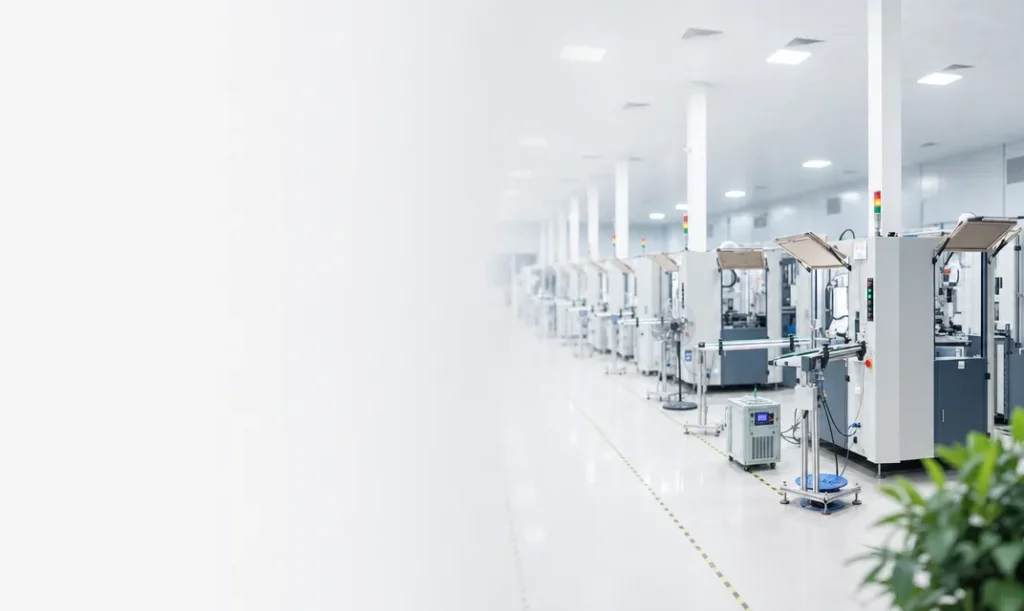
KLK’s manufacturing capability connects engineering, machining, assembly, electrical integration and machine commissioning in one production workflow.
Engineering
Design & Integration
Assembly
Machine Build
Testing
Pre-Shipment Validation
Manufacturing System
For industrial machinery, build quality is influenced by how engineering drawings, components, wiring, assembly and commissioning are controlled together.
Mechanical frames, motion assemblies, fixtures, guards and process stations are assembled around the required machine architecture.
PLC, servo systems, sensors, HMI, safety circuits and electrical components are integrated into the machine control architecture.
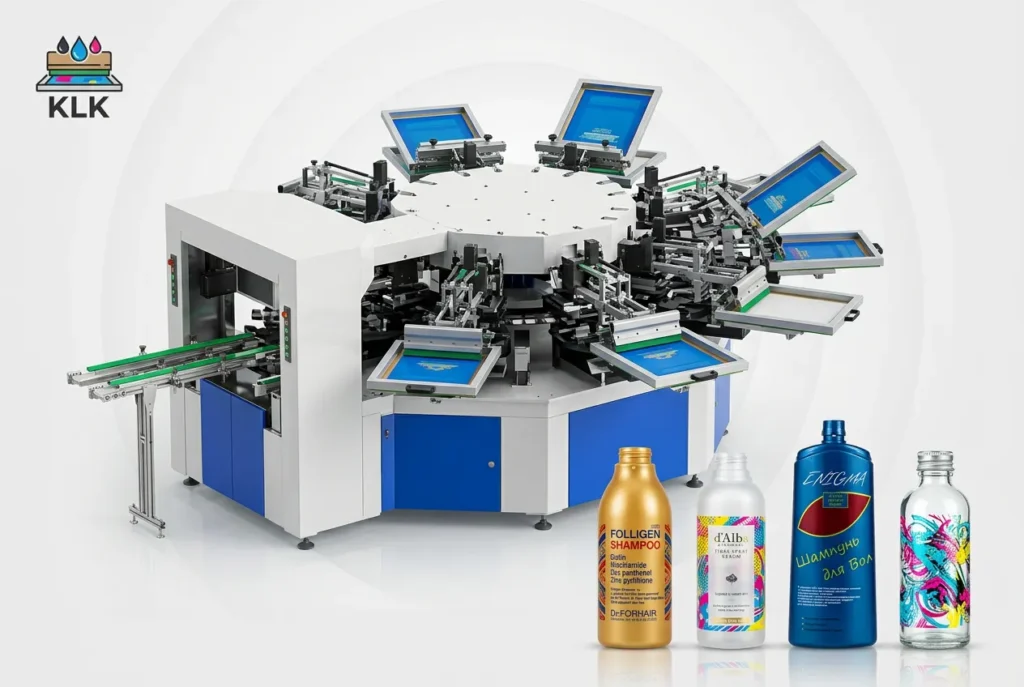
Printing units, surface treatment, UV or LED UV curing and product handling are configured according to application requirements.
Machines are checked through operation, adjustment and application-specific commissioning before delivery.
Build Flow
Manufacturing activities are organized around engineering information and project requirements rather than disconnected production steps.
01 / DESIGN
Mechanical, electrical and process information is prepared for production.
02 / BUILD
Mechanical and electrical systems are assembled according to project specifications.
03 / INTEGRATE
Motion, control, printing and auxiliary systems are integrated and adjusted.
04 / VERIFY
Operation and application requirements are checked before shipment.
Factory Perspective
A machine must do more than run during acceptance. Access to components, adjustment points, controls and service areas is considered during machine development so that the equipment can remain practical throughout its working life.

KLK's manufacturing capability connects engineering, machining, assembly, electrical integration and machine commissioning in one production workflow.

For industrial machinery, build quality is influenced by how engineering drawings, components, wiring, assembly and commissioning are controlled together.
Mechanical frames, motion assemblies, fixtures, guards and process stations are assembled around the required machine architecture.
PLC, servo systems, sensors, HMI, safety circuits and electrical components are integrated into the machine control architecture.
Printing units, surface treatment, UV or LED UV curing and product handling are configured according to application requirements.
Machines are checked through operation, adjustment and application-specific commissioning before delivery.
Manufacturing activities are organized around engineering information and project requirements rather than disconnected production steps.
Mechanical, electrical and process information is prepared for production.
Mechanical and electrical systems are assembled according to project specifications.
Motion, control, printing and auxiliary systems are integrated and adjusted.
Operation and application requirements are checked before shipment.
A machine must do more than run during acceptance. Access to components, adjustment points, controls and service areas is considered during machine development so that the equipment can remain practical throughout its working life.
